
Physiotherapy at Home: Benefits, Techniques, and When to Choose It
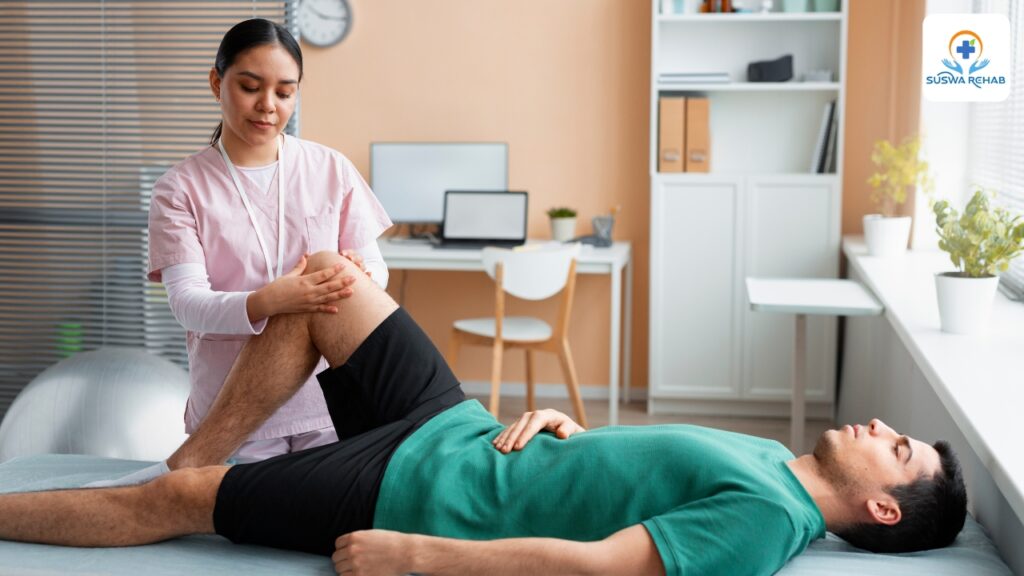
Physiotherapy is an effective way to address pain, mobility issues, and to regain strength after an injury or illness. Patients usually attend clinics or hospitals for physiotherapy services, but treatment delivered in the home setting is becoming more popular. Physiotherapy is person-centered, convenient, and comfortable, while the patient is still receiving professional physiotherapy services. What Is Home Physiotherapy? Home physiotherapy involves a qualified physiotherapist visiting your home to provide treatment. It can include exercises, manual therapy, electrotherapy, and lifestyle guidance — all customized to your needs and environment. Benefits of Physiotherapy at Home Convenience and Comfort: Traveling or waiting to attend your session will not be necessary, as we will meet in your space.This is particularly useful for elderly patients and their caregivers, would cannot easily get around. Personal Attention: You will have one-on-one sessions that are individualized to you, your goals, preferences and your home environment.You’ll receive treatment in a focused manner during our session and avoid the interruptions often present at the clinic. Faster Recovery: Continuity of care will equal better results!You receive immediate feedback on your posture and exercises in your actual living space. Family Involvement: Family and caregivers can participate and be involved in your sessions, making it easier for them to help you recover. Safe and Effective Treatment for High-Risk Patients: High-Risk patients who have difficulty traveling like post-surgery, stroke patients, and patients with chronic illness are an ideal fit for this type of treatment. Common Techniques Used in Home Physiotherapy Therapeutic Exercise: Routines for stretching, strengthening, and improving mobility.Manual Therapy: Hands-on techniques to help with stiffness and increase flexibility.Electrotherapy: Handheld devices, such as TENS or ultrasonic therapy, to decrease pain.Balance and Gait Training: Exercises that will help with balance and walking.Postural Education: Advising on good posture when completing daily activities.Breathing Exercises: Good for respiratory management or after surgery. Conditions Treated with Home Physiotherapy Rehabilitation after surgery (knee, hip replacement)Recovery from stroke and other neurological conditionsArthritis and ongoing joint painPosture-related neck and back painSports injuries and strainsAging & fall prevention When to Choose Physiotherapy at Home Limited Mobility: For individuals who experience difficulty or pain when traveling to a clinic.Post-Surgical Care: For patients for whom regular visits to the hospital are impractical.Elderly: Patients who need support and supervision on an ongoing basis.Busy Lives: For patients who would like flexibility around when they receive care at home.Comfort: For patients who feel more comfortable getting care in their own home. Conclusion: Home physiotherapy is a safe, effective, and highly convenient option for patients in need of rehabilitation or pain management needs. Home Physiotherapy provides professional care from a physiotherapist in your own home, a custom approach to care, and the comfort of home to help you recover faster. Home physiotherapy can be a good option if you are recovering from surgery, managing arthritis, or want to improve your mobility.
Office Workers and Back Pain: Physiotherapy Tips for Desk Jobs

Office employees often experience back pain, which is a common and prevalent health issue. Long hours of sitting, poor posture, and little moving during desk work can place too much stress on the spine and surrounding muscles. Eventually, this can lead to chronic pain, stiffness, and reduced productivity. Fortunately, physiotherapy for office workers provides workable solutions for managing and preventing back pain. Why Office Workers Experience Back Pain Prolonged Sitting: Staying in one position for hours weakens core and back muscles. Poor Ergonomics: Incorrect chair height, desk setup, or screen placement strains the spine. Lack of Movement: Reduced blood flow and muscle stiffness result from minimal activity. Stress and Fatigue: Mental stress can contribute to tension in back and neck muscles. How Physiotherapy Helps Physiotherapists create individualized treatment plans to minimize pain and promote the health of the spine in desk workers. Treatment options may consist of: Posture Education: Instruction on maintaining proper alignment to reduce stress on the spine. Strengthening Exercises: Targeting core and back musculature to enhance support. Stretching Programs: Referring to stretching to reduce cases of muscle tightness due to sitting. Work Station Ergonomics: Employment office chair, desk, and screen height adjustments to encourage healthy posture. Manual Therapy: A hands-on method to help release muscle tension and improve range of motion. Physiotherapy Tips for Office Workers These are some practical strategies to help prevent and cope with back pain, which were endorsed by your physiotherapist. Create an Ergonomically Friendly Workstation: Height of the computer screen should be at or near eye level.Keep feet flat on the floor, with knees at 90 degrees.Use a chair with the right amount of lumbar support. (Depending on if you are sitting in a chair, lumbar support may vary). The 30-30 Rule: Every 30 minutes get up and move, e.g. stand, stretch, walk around, etc., for 30 seconds or more, to get your blood circulating. Desk Exercises: E.g. shoulder rolls, seated spinal twists, neck stretches – to minimize tightness in muscles/joints.E.g. core activation exercises – to strengthen the muscles that support your spine. Ensure You are Sitting Posture Is Correct at Work: Sit tall, but allow your shoulders to relax, and buy a chair that can support your back.Try not leaning forward, or slouching your shoulders, and looking at the screen deviated from your central body position. Staying active outside of work: You should participate in some sort of activity to keep yourself moving outside of work, e.g. walking for 10 minutes during lunchtime, yoga, swimming, etc.Condition your back and abdominal muscles by going to the gym to help better support your spine. When to Seek Physiotherap If back pain lasts longer than a few weeks, if it affects your sleep, or if it radiates into your legs, it is time to seek the advice of a physiotherapist. Early intervention helps avoid chronic pain and reduces long-term spinal issues. Conclusion Back pain does not have to be a certain aspect of desk jobs. Desk workers can lessen discomfort, maintain mobility, and protect their spines by maintaining good posture, making ergonomic changes and completing exercises guided by physiotherapy regularly. Adopting these easy habits can allow you to work more comfortably, be productive and maintain back health over the years.
Physiotherapy vs. Surgery: Which Is Better for Recovery?
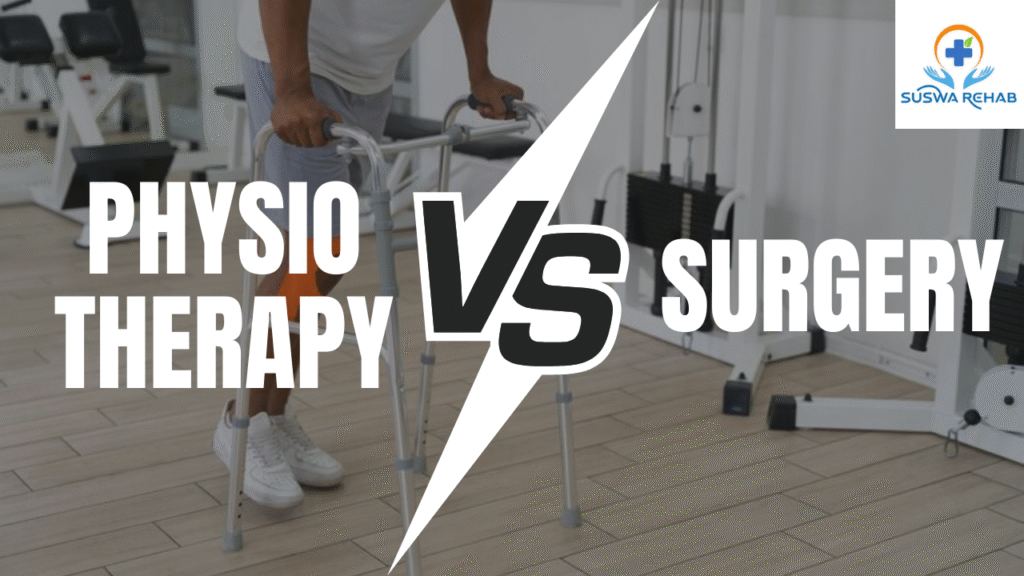
When confronted with an injury or chronic condition, many patients ponder whether physiotherapy or surgery is the best route to recovery. Each treatment has its own benefits and drawbacks, and the decision depends on the severity of your condition, overall health, and other personal goals. Understanding the key differences may assist in your decision-making. When Physiotherapy Is Recommended Physiotherapy is often the first line of treatment for many musculoskeletal issues. It focuses on non-invasive methods to restore movement, reduce pain, and strengthen the body. Benefits of Physiotherapy: Non-surgical method: No risk of surgery, anesthesia, or long hospital stay.Pain relief and mobility: Exercises, manual therapy, and modalities such as ultrasound or TENS decrease pain and stiffness of myalgia.Strengthen and Prevent: Trigger muscles to support weak joints and reduce risk of re-injury.Quicker return to normal daily activities: Patients are able to return to a normal life with little time lost.Cost effective: Physiotherapy is typically less expensive than surgery and potentially less expensive than short stays in a hospital. Conditions where physiotherapy works best: When Surgery Is Necessary Surgery is generally considered when conservative treatments like physiotherapy, medication, or lifestyle changes are no longer effective. Benefits of Surgery: Conditions where surgery may be the better choice: Physiotherapy After Surgery Even when surgery is chosen, post-surgical physiotherapy is essential for recovery. It helps: Physiotherapy vs. Surgery: How to Decide? Physiotherapy vs. Surgery: Recovery Comparison Table To make the decision clearer, here’s a side-by-side comparison of physiotherapy and surgery for recovery: Aspect Physiotherapy Surgery Approach Non-invasive, focuses on exercises, manual therapy, and lifestyle changes Invasive, involves medical procedures to repair or replace damaged structures Recovery Time Generally shorter, patients can resume daily activities quickly Longer recovery, requires hospital stay and rehabilitation Risks Minimal risks, no anesthesia or surgical complications Risk of infection, anesthesia side effects, and surgical complications Cost More affordable and cost-effective Expensive due to hospital, surgeon, and post-op costs Effectiveness Best for mild to moderate conditions, pain management, and mobility improvement Best for severe or advanced conditions where structural damage needs correction Examples of Use Back pain, sports injuries, arthritis, post-fracture rehab Joint replacements, ACL tears, severe fractures, spinal surgeries Role After Surgery Helps prevent surgery in many cases Essential for recovery after surgery to regain mobility and strength Final Note Conclusion Physiotherapy and surgery both play valuable roles in recovery. Physiotherapy is often the safe, reasonable, non-invasive, and cost-effective answer for most conditions. Surgery is vital in cases where there is severe damage and requires structural repair. Often, the two approaches supplement each other – the surgery takes care of the damage and physiotherapy facilitates full rehabilitation. Be sure to consult with your healthcare provider and physiotherapist before making this important decision to find the best plan for recovery and rehabilitation for your specific needs.
Physiotherapy for Arthritis: Pain Management and Mobility Improvement
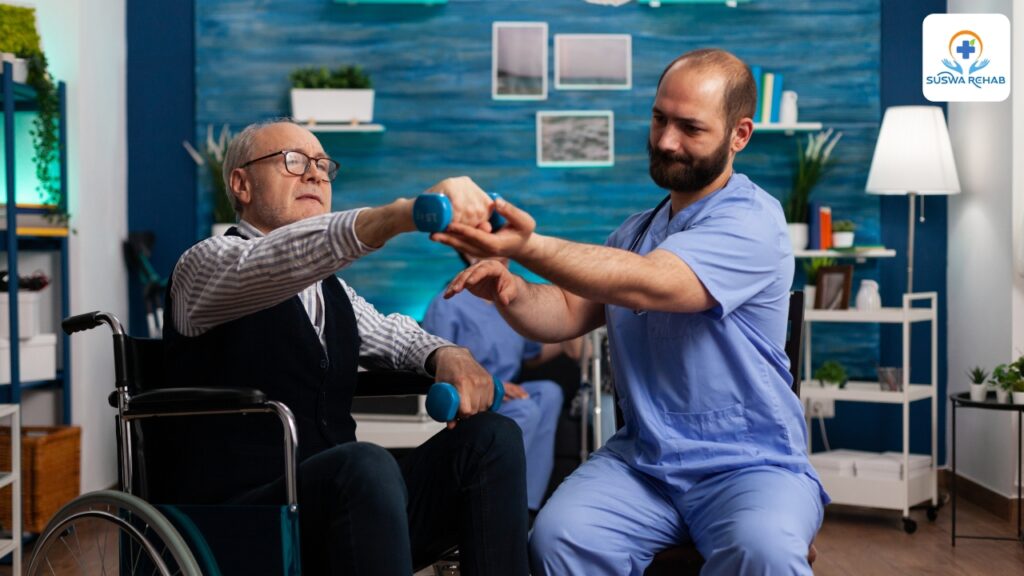
Arthritis is among the most common chronic joint conditions, and millions of people are currently suffering from this disorder. Having arthritis typically results in joint pain, stiffness and loss of mobility, and this makes activities of daily living difficult. Medications can frequently manage the symptoms; however, physiotherapy for arthritis is among the most effective, non-invasive treatments to improve your mobility, range of motion, decrease pain, and your overall quality of life. Understanding Arthritis Arthritis is not just one disease but rather a group of diseases which cause inflammation of the joints. The most common types are: Regardless of the type of arthritis, it will often result in stiffness, swelling, pain and decreased range of motion in the joints. How Physiotherapy Helps in Arthritis Management Physiotherapy plays a vital role in arthritis treatment by combining tailored exercises, manual therapy, and lifestyle guidance to restore joint function and reduce discomfort. 1. Pain Management 2. Improved Joint Mobility 3. Strengthening Muscles 4. Posture and Gait Training 5. Hydrotherapy (Water-Based Therapy) 6. Lifestyle and Ergonomic Advice Physiotherapists educate patients on joint protection techniques, activity pacing, and modifications to reduce strain during daily activities. Best Physiotherapy Exercises for Arthritis Range of Motion Activities: Gentle stretching for joints of knees, shoulders, and hips.Low-Impact Aerobic Activities: Walking, swimming, cycling all will improve overall fitness and physical activity without putting excessive work on the joints.Strength Training: Exercises using resistance bands or bodyweight to improve support of muscles.Balance Exercises: Simple activities while standing to improve balance and decrease risk of falling. Make sure to do these exercises with a physiotherapist to avoid injuries. Benefits of Physiotherapy for Arthritis Conclusion Arthritis physiotherapy is a safe and evidence-based treatment option that is not limited to pain relief. With tailored exercises, hands-on treatment, and lifestyle advice, physiotherapy can assist patients in managing their arthritis symptoms, improving movement, and restoring independence. If you are having difficulty with your arthritis, an assessment by a registered physiotherapist can be a vital step toward better health and quality of life.
Sports Injury Rehabilitation: Physiotherapy for Athletes

Injury-related sports injuries occur frequently in athletes regardless of their commitment to the sport as a professional, a player, or recreationally. Injuries such as sprains, muscular strains, ligament tears and joint injuries, can all negatively impact athletic performance and delay a safe return to sport. Physical Therapy is vital in the rehabilitation of sport injuries as it promotes safe recovery, regains mobility and enhances prevention of re-injury. The intention of the following blog is to define ways physical therapy has helped athletes heal from sport injuries, specific physical therapy techniques and the long-term benefits of physical therapy and its effect on athletic performance. Understanding Sports Injuries Sports injuries commonly happen as the result of overuse, poor training practices, being hit suddenly substantial force, or not warming up and stretching properly. Some common sports injuries include the following: Sprains and Strains – A sprain is a ligament injury, and a strain is a muscle injury, both of which occur due to overstretching.Tendonitis – Inflammation of the tendon due to repetitive movement.ACL and Meniscus Tears – ACL and meniscus tears are common knee injuries incurred during high-impact sports.Fractures and Dislocations – Fractures and dislocations are injuries involving the bones caused by falling or being hit by another player.Shin Splints – Pain in the lower leg due to overuse.Rotator Cuff Injuries – An injury to the shoulder that can occur when swimming, playing tennis, or baseball. Role of Physiotherapy in Sports Injury Rehabilitation Accurate Diagnosis and Assessment: The physiotherapist used a thorough evaluation to assess the extent/seriousness of the injury, joint range of motion, muscle strength, and levels of pain. This assessment presents possibilities to provide an individualized treatment plan that enables the athlete to return quicker. Pain Management: Therapeutic strategies including ultrasound therapy, TENS, thermotherapy (hot and cold), and manual therapy are used to reduce swelling, inflammation, and pain. Restoring Mobility and Strength: The physiotherapy exercises focusing on aspects of flexibility, joint range of motion and muscle strength can assist the athlete in regaining normal physical function. Sports-Specific Rehabilitation Exercises: Sports-specific rehabilitation exercises will mirror the actions being considered in the sport. This way the physiotherapist can ensure the athlete is ready to return to their sport while remaining at low risk for re-injury. Injury Prevention Strategies: The physiotherapist can educate athletes on proper movement patterns, warm-up progressions, strength training and load management to assist in the prevention of future injuries. Physiotherapy Techniques for Sports Injuries Manual Therapy – Such as soft tissue massage and joint mobilization.Therapeutic Exercises – This includes stretching, strengthening, and balance training.Electrotherapy – TENS and ultrasound, electrical stimulation for pain relief and healing.Taping and Bracing – For support of injured area and to prevent strain.Hydrotherapy – A water-based exercise for low-impact rehabilitation.Neuromuscular Training – To improve coordination and optimizes movement patterns. Benefits of Physiotherapy for Athletes Quick and safe recovery from injuries.Lower likelihood of developing chronic pain or being re-injured.Better flexibility, balance, and posture.Performance enhancement via conditioning and injury prevention programs.Higher levels of confidence in returning to your sport. Returning to Sport After Injury An important issue for athletes is identifying when it is safe to return to sport. As physiotherapists, we use functional assessments to establish readiness, which may include gauging agility, strength, and endurance. A gradual return-to-sport program ensures that athletes do not suffer setbacks, and actually return stronger overall. Final Thoughts Rehabilitation of sports injuries goes beyond managing pain: the goal is to regain strength, movement, and confidence as athletes return to their best performance. Physiotherapy is a vital component of rehabilitation: every athlete will have a unique journey and physiotherapy will provide personalized care and evidence-based rehab approaches. If you are an athlete recovering from an injury, physiotherapy will improve recovery outcomes by promoting healing, reduce potential complications, and allow you to return safely to sport with a reduced chance of re-injury.
Stroke Rehabilitation: Role of Physiotherapy in Regaining Mobility

A stroke can dramatically affect an individual’s mobility, balance, and day-to-day function. Rehabilitation usually involves a multidisciplinary process of therapeutic support, and physiotherapy has an important role in stroke rehabilitation. In stroke rehabilitation, a physiotherapist will provide therapeutic support to patients to help them maximize their recovery of strength, coordination, and independence as rapidly and safely as possible. 1. Understanding Stroke and Mobility Challenges Once a person has sustained a stroke, the brain may have difficulty in sending signals to the muscles resulting in: Weakness or paralysis on one side of the body Loss of balance and coordination Difficulty walking or executing daily activities Through specific exercises and therapies physiotherapy can address these challenges and assist in retraining the brain and muscles. 2. Early Physiotherapy Improves Recovery Initiating physiotherapy as soon as your patient is medically stable will help reduce complications and promote a faster recovery. Early interventions include: Range of motion exercises to prevent stiffness in joints Gentle stretching to help with muscle tightness Positioning techniques to prevent pressure sores and deformities 3. Strengthening Muscles and Improving Balance After a stroke, weakness in the muscles is common. Physiotherapists may use strength training, resistance training, and functional movements to aid patients in recovering: Leg strength to be able to walk Arm strength to help with activities of daily living Core stability to help with balance Improved strength and stability decreases the risk of falls and increases independence. 4. Retraining Walking and Coordination A primary purpose of physiotherapy following a stroke is to return to walking as safely as possible. This may involve: Gait training with the use of parallel bars, walkers, or treadmills Task-specific training to practice coordination and foot placement Balance exercises to regain confidence to move This allows the brain to relearn movement skills, a process termed neuroplasticity. 5. Functional Exercises for Daily Life Physiotherapy is also geared toward functional daily tasks such as: By participating in the exercises related to these activities, patients will gradually return to an independent and rewarding life. 6. Combining Physiotherapy with Other Therapies To achieve the best rehabilitation outcomes after a stroke, physiotherapy is often used together with: Occupational therapy when working on fine motor skills Speech therapy for communication or swallowing issues Psychological or emotional support This multi-dimensional approach ensures complete rehabilitation. Recommended High-Ranking Keywords (Naturally Included) Stroke rehabilitation Physiotherapy after stroke Regaining mobility after stroke Stroke recovery exercises Post-stroke physiotherapy Neuroplasticity in stroke rehabilitation Walking exercises after stroke ✅ Conclusion: When it comes to restoring mobility following a stroke, physiotherapy is highly beneficial. Stroke survivors may be able to improve their strength, coordination, and independence through exercises, balance training, and functional activities. Starting physiotherapy as early and consistently as possible greatly improves outcomes, and helps stroke survivors feel more confident and safe as they return to their daily life activities.
How Physiotherapy Helps in Faster Recovery After Surgery

The recovery process after an operation can be difficult, but physiotherapy is important in making it quicker, safer, and easier. Physio can help recover from orthopedic surgery, joint replacement, or abdominal surgery. It is valuable in helping patients regain independence, mobility, and strength. 1. Reduces Post-Surgery Pain Pain management is one of the primary advantages of physiotherapy after surgery. Gentle activities and targeted therapies can reduce discomfort, stiffness, and swelling. Use of tools such as manual therapy, stretching, and heat/cold therapy can usefully alleviate post-operative pain, facilitating a more comfortable recovery. 2. Improves Mobility and Flexibility Following surgery, many patients find it difficult to move the affected area. The goal of physiotherapy is to restore joint movement, restore flexibility, and reduce stiffness. This is especially essential after surgery of the knee, hip, or shoulder. Early movement after surgery will improve outcomes and decrease complications. 3. Strengthens Muscles and Supports Healing Surgical intervention is a common cause of muscle strength due to lack of movement or immobilization in the post-surgical period. Physiotherapists will develop an individualized exercise program that targets muscles for strengthening, avoiding loading the surgical site. Stronger muscles will assist joints and supporting structures that reduce the risk of re-injury and enhancing healing overall. 4. Prevents Post-Surgery Complications Physiotherapy may reduce the risk of some common post-surgical complications, including: The risk of developing blood clots (deep vein thrombosis) with leg exercises and mobility. Breathing problems with physiotherapy breathing exercises following chest or abdominal procedure. Formation of scar tissue with soft tissue mobilization and massage. 5. Enhances Circulation and Reduces Swelling Gentle exercises and specific physiotherapy techniques improve blood flow, which is essential for delivering nutrients and oxygen to healing tissues. This helps reduce swelling and inflammation, promoting faster recovery. 6. Boosts Confidence and Independence Healing from surgery can be a physically and mentally demanding process. Physiotherapy helps the patient feel confident moving again so they can accomplish daily life tasks independently. This, in turn, supports their mental well-being and encourages the patient to remain consistent with their recovery journey. 7. Supports Faster Return to Normal Activities Patients tend to recover more quickly with consistent physiotherapy. They can return to work, sports, and daily life safely with a reduced risk of injury. Early rehabilitation is essential for long-term rehabilitation success. Recommended High-Ranking Keywords (Naturally Included) ✅ Conclusion: Physiotherapy is not simply an adjunct to surgery but is crucial to recovery following surgery. Physiotherapy can facilitate recovery through pain reduction, increased range of motion, muscle strengthening, and reduced risk of complications. As a result, physiotherapy can help patients recover more quickly, safely, and effectively. In fact, patients who adhere to a physiotherapy protocol usually return to their pre-surgical activity levels more quickly and with superior long-term results.
Physiotherapy for Knee Pain: Effective Treatments and Exercises
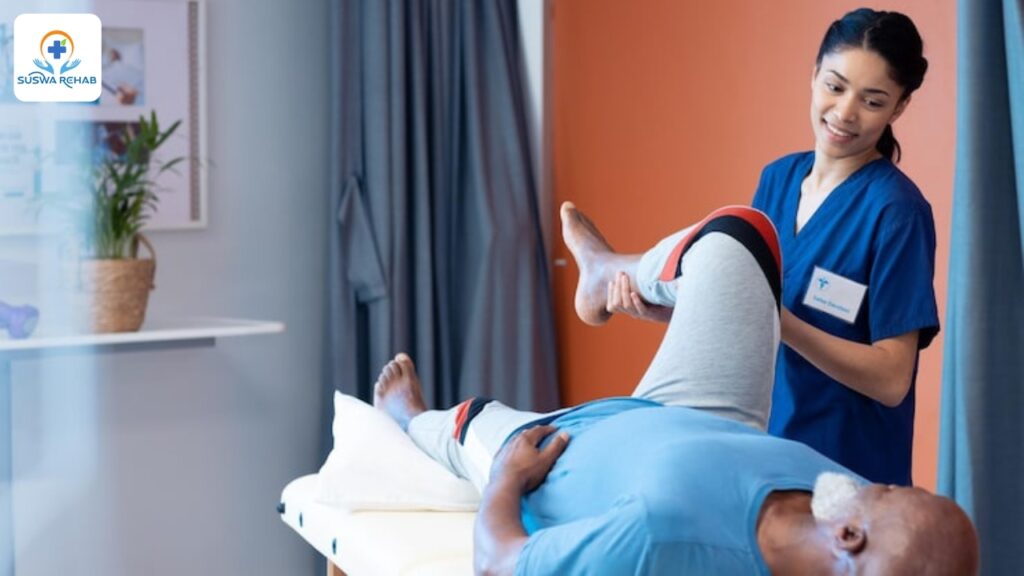
Knee pain is a prevalent joint issue that impacts people of all ages. It could arise from injuries, arthritis, overuse, poor postural habits, or wear and tear due to age. Because the knees will be a key player in providing support to body weight as well as mobility, even mild pain or discomfort will limit everyday activity. Rather than solely using painkillers or going through invasive procedures, physiotherapy for knee pain focuses on regaining function, strength, and mobility, while decreasing stiffness and restoring overall knee joint health. A physiotherapist’s prescribed and structured knee rehabilitation program, designed for your knee problems, will rehab you faster and prevent future complications. In this blog, let’s discuss the best physiotherapy treatments on record, as well as rehabilitation exercises to relieve knee pain. Common Causes of Knee Pain Prior to initiating any treatment, it is essential to recognizing the causative factors of knee pain. Some of the more common causative factors include: Arthritis (Osteoarthritis, Rheumatoid Arthritis) – Inflammation of the joint with damage to the cartilage. Ligament Injuries (ACL, MCL tears) – This occurs typically due to sports or trauma. Meniscus Tears – Damage to the knee cartilage that provides cushioning for the knee joint. Patellofemoral Pain Syndrome – This syndrome is pain around the kneecap due to overuse or misalignment. Post-Surgical Stiffness – This is often seen after knee replacement or knee arthroscopy. Physiotherapy Treatments for Knee Pain 1. Manual Therapy Hands-on techniques such as joint mobilization and soft tissue massage help reduce stiffness, improve circulation, and relieve muscle tension around the knee. 2. Electrotherapy Physiotherapists often use TENS (Transcutaneous Electrical Nerve Stimulation), ultrasound therapy, or laser therapy to reduce pain, inflammation, and swelling. 3. Strengthening and Flexibility Training Custom exercise programs strengthen the muscles around the knee (quadriceps, hamstrings, calves), providing better support and stability. Stretching reduces stiffness and improves range of motion. 4. Balance and Proprioception Training Exercises to improve balance and coordination help prevent falls and protect the knee from further injuries. 5. Post-Surgery Rehabilitation After knee replacement surgery or arthroscopy, physiotherapy ensures faster recovery by reducing swelling, improving flexibility, and strengthening weakened muscles. Best Physiotherapy Exercises for Knee Pain These physiotherapy-approved knee pain exercises can be safely performed at home to improve strength and mobility. 1. Quadriceps Sets Position yourself so that your legs are out in front of you. Tighten your thigh muscle by pushing the back of your knee into the floor. Hold for 5-10 seconds and then relax. Repeat this exercise 10-15 times. ✅ Benefit: Strengthens quadriceps and decreases knee stiffness. 2. Straight Leg Raises Position yourself on your back, one knee bent and opposite leg straight. Raise the straight leg off the ground 12 inches. Hold for 5 seconds and slowly lower. Repeat 10–12 times on both sides. ✅ Purpose: Strengthens the quadriceps without putting stress on the knee joint. 3. Heel Slides Lie on your back with your legs straight. Slowly slide one heel towards your buttocks while bending your knee. Hold this position for 5 seconds, then slide your heel back. Repeat this action 10–15 times. ✅ Benefit: Increases flexibility and reduces stiffness in the knee joints. 4. Step-Ups Utilize a short step or stable platform. Step up with one leg and then the other. Step down slowly, then repeat. Complete 10–12 repetitions on each leg. ✅ Benefit: Works quads, glutes, and calves and increases balance. 5. Hamstring Stretch Sit on the edge of a chair with one leg straight out in front of you. Lean forward gently until you feel a stretch in the back of your thigh. Hold for 15-20 seconds. Repeat 3 times on each side. ✅ Benefit: Helps to relieve tightness and improve mobility at the knees. Tips for Managing Knee Pain at Home Steer clear of excessive standing or sitting. Wear shoes with appropriate cushioning. Ice packs for swelling and heat packs for stiffness should be utilized. Being at a healthy weight will help lessen stress on the knees. Engage in exercises that can be done long term. Final Thoughts Knee pain can affect your mobility and quality of life if not treated properly. The most encouraging aspect is that physiotherapy for knee pain is a safe and effective way to provide longer-lasting pain relief without the need for medication or surgery. Physiotherapists utilize manual therapy, electrotherapy, and strengthening/rehabilitative exercises to be more efficient in speeding patient recovery and preventing future injuries. If you’re availing of knee pain, visiting a licensed physiotherapist will allow you to pursue customized treatment options suited to your specific needs.
Best Physiotherapy Exercises for Back Pain You Can Do at Home
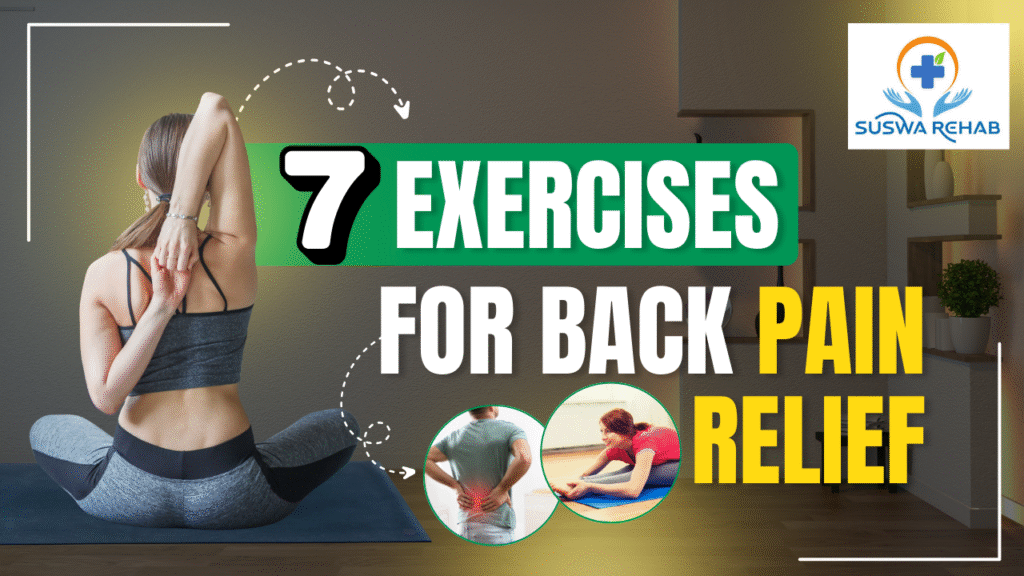
Back pain is one of the most common health issues among people of all ages around the world. Long hours of sitting or standing, having poor posture, living a sedentary lifestyle, or lifting something too heavy can all create significant load on the spine, leading to pain and stiffness. Using medications may alleviate the pain but physiotherapy exercises for back pain can assist in treating the actual cause of the pain to help strengthen the spine and improve flexibility for recovery. The best part? You won’t have to wait to go to the clinic to start this treatment—many exercises recommended by physiotherapists for back pain can be performed in your own home with little or no equipment. In this post, we’ll explore what the best physiotherapy exercises for back pain at home are, and how these exercises can improve your mobility and ultimately allow you to be pain-free. 1. Pelvic Tilt Exercise Pelvic tilts reinforce muscles of the lower back and abdomen, promoting spinal stability. How to do it: Lie on your back , knees bent, and feet shoulder width apart on the floor. Engage your abs and press your lower back down into the floor gently. Hold for 5-10 seconds, then release. Repeat 10 to 15 times. ✅ Benefits: Reduces lower back pain, improves your posture and helps strengthen your core. 2. Cat-Cow Stretch (Spinal Flexibility Exercise) This yoga-based movement is very popular in physiotherapy for exploratory spine mobility. How to Do it: Find yourself on your hands and knees in a tabletop position. Breathe in and round your back towards the ceiling (cat pose). Breathe out and drop your belly while lifting your head and hips (cow pose). Continue this cycle slowly for a total of about 10–15 rounds. ✅Benefits: Helps reduce stiffness, increases spinal mobility, and improves circulation. 3. Child’s Pose (Stretch for Relaxation) A simple exercise that is commonly prescribed in physiotherapy for lower back pain relief. Instructions: Kneel on the ground and rest back on your heels. Stretch your arms out in front of you and lay your chest down flat. Take deep breaths and hold for 20-30 seconds. Repeat 3-5 times. ✅ Benefits: Stretches your spine, reduces muscle tension, and relaxes. 4. Knee-to-Chest Stretch This activity will lessen tension in the lower back and promote flexibility. Instructions: Lie on your back with your knees bent. Draw one knee towards your chest while the other leg remains straight. Hold the position for 15–20 seconds, then switch legs. Repeat on both sides for 3–5 times. ✅ Benefits: Reduces stiffness in the lower back and stretches the hip muscles. 5. Bridge Exercise The bridge is a core-strengthening physiotherapy exercise that stabilizes the spine. How to do it: ✅ Benefits: Strengthens glutes, hamstrings, and lower back muscles. 6. Seated Forward Bend Stretch An uncomplicated but effective stretch to improve back flexibility. Directions: Sit on the ground with your legs extended. Gradually lower your chest and reach for your toes (or your fingers within your comfort level). Hold the stretch for 15–20 seconds, breathe deeply. Repeat three times. Benefits: Increases hamstring length/flexibility, decreases stiffness in spine, decreases back pain. 7. Wall Angels (Posture Correction Exercise) This exercise helps correct improper posture, which is one of the leading causes of chronic back pain. To perform this exercise: Stand flat against a wall with your feet slightly forward.Press the lower back against the wall.Move your arms in a ‘snow angel’ motion upwards slowly.Repeat this 8-10 times. ✅ Benefits: Promotes better posture, strengthens the upper back, and reduces tension in your shoulders. Tips for Doing Back Pain Exercises at Home Always begin physiotherapy stretches with a warm up. Do exercises in a slow, controlled manner, and make sure to avoid the urge to “jerk” into a stretch. If you ever have “sharp or hard” pain while doing the exercise, stop the the exercise completely. Practice the exercise regularly to have success, preferably daily. If your pain continues or worsens, talk to a licensed physiotherapist. Final Thoughts Back pain can restrict your day-to-day activities and impact your quality of life. The positive point is that there are many physiotherapy exercises for back pain to help you regain spinal strength, flexibility, and a posture, all from home. If back pain does not subside with regular exercises, seek out professional physiotherapy treatment for a tailor-made recovery plan.
Top 10 Benefits of Physiotherapy for Pain Relief and Recovery
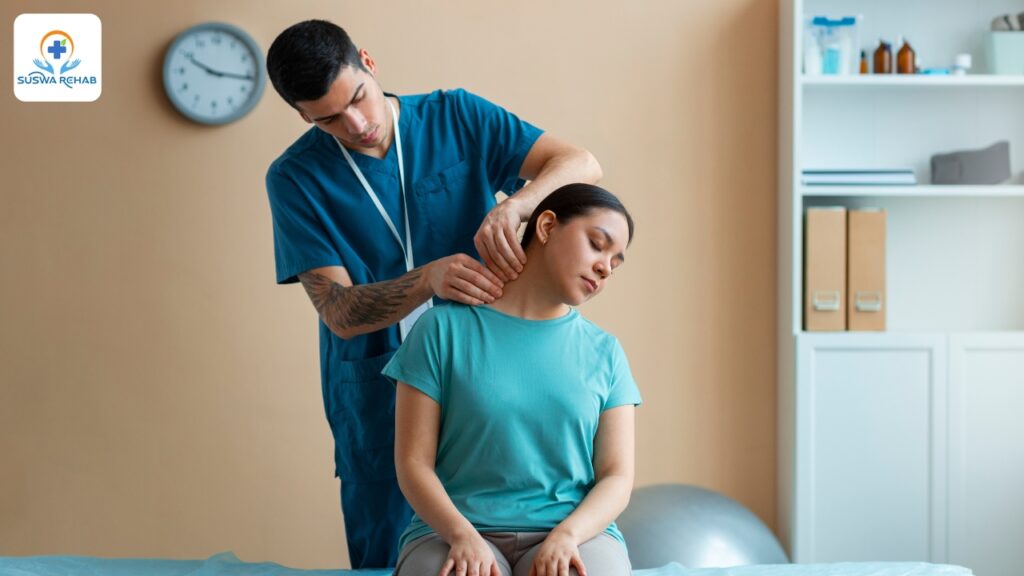
Physiotherapy has emerged as one of the most powerful healthcare models for relieving pain, restoring mobility, and speeding the recovery process following injury or surgery. If you are living with chronic back pain, sports injuries, or stiffness following surgery, physiotherapy is critical to restoring your physical function and improving your quality of life. Using expert methods like manual therapy, exercise programming, electrotherapeutic modalities, and postural correction, physiotherapy can help you regain your strength and live free from pain. In today’s blog, we will look at the top 10 benefits of physiotherapy for pain relief and recovery. 1. Effective Pain Relief Without Medication One of the standout benefits of physiotherapy is that it provides natural pain management without relying on the use of heavy medications or invasive procedures, such as surgery or steroid injections. Manual therapy, ultrasound therapy, breaking down the walls of pain with TENS (Transcutaneous Electrical Nerve Stimulation) and dry needling are all very effective at releasing muscle tension, joint stiffness and inflammation (among much more). Because of this, physiotherapy is considered a safer and long-term solution towards addressing chronic pain conditions such as arthritis and neck or lower back pain. 2. Faster Recovery After Injury Physiotherapy aids in the recovery of sports-related injuries, fractures, sprains, or torn ligaments. Individualized exercise programs to improve cardiovascular health, strengthen muscles, and restore flexibility are developed. Athletes and active individuals utilize physiotherapy for injuries, but also for injury prevention and safe return to sports. 3. Restores Mobility and Flexibility It is common for people to experience limited joint mobility and stiffness following an injury or surgery. Physiotherapists often use an exercise program that includes stretching exercises, strengthening exercises, and mobilization techniques to re-establish movement in a normal range. This type of therapy is commonly utilized with elderly patients or patients with limitations related to osteoporosis, arthritis, or post-operative stiffness. 4. Prevents Long-Term Complications Injuries that do not heal, combined with poor posture, may cause long term problems such as chronic pain, recurrent injuries, or permanent disability. Physiotherapy helps to prevent these risks by treating the underlying cause of pain, correcting posture and enhancing body mechanics. 5. Post-Surgery Rehabilitation Physiotherapy is an essential part of recovery following surgery to replace a joint, repair a spinal problem, or repair a ligament. Engaging in early rehabilitation will result in muscle strength recovery, swelling reduction, joint function improvement, and a quicker return to normal activity. 6. Improves Balance and Prevents Falls Physiotherapy is excellent for patients with balance dysfunction, dizziness, or other neurological conditions. Certain exercises and vestibular rehabilitation strategies will help improve coordination while decreasing the risk of falls, particularly in older adult populations. 7. Manages Chronic Conditions Effective for pain management and functional restoration, physiotherapy is beneficial for patients with long-lasting chronic conditions like arthritis, fibromyalgia, sciatica, and 8. Enhances Athletic Performance For athletes, physiotherapy is not only about rehabilitation but also about performance enhancement. Physiotherapists develop sports-specific training interventions to increase strength, flexibility, endurance, and agility while minimizing the risk of injuries. 9. Non-Invasive and Cost-Effective Treatment Physiotherapy is a safe, cost-effective, and non-invasive treatment alternative to surgery and long term treatment with medications. The outcomes last longer because it treats the source of the problem rather than just masking pain. 10. Promotes Overall Health and Wellness In addition to managing pain and injuries, the focus of physiotherapy also includes lifestyle changes, ergonomics, posture improvements, and fitness advice. This comprehensive approach supports health, wellbeing, and independence in daily living over time. Final Thoughts Physiotherapy encompasses more than just relieving pain; it is a holistic healing, rehabilitative and wellness approach. Whether you are recovering from an injury, surgery or chronic pain as a result of a sports injury, talking to a trained physiotherapist can help you regain strength and mobility, getting you back to a healthier mindset and pain-free life. If you’re looking for the best physiotherapy clinic in your area, choose one with skilled therapists that can customize a treatment plan focused on your condition.