
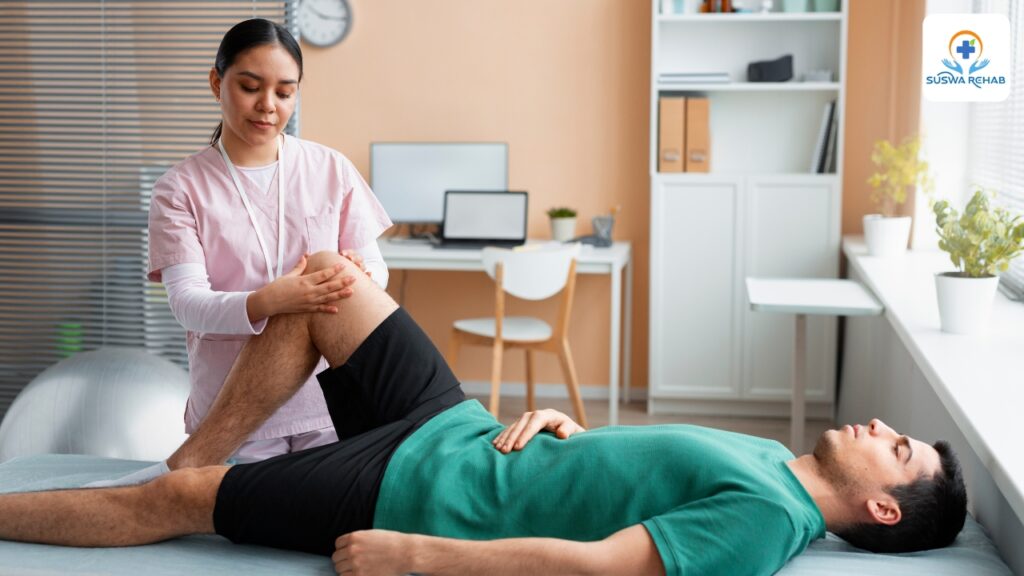
Physiotherapy is an effective way to address pain, mobility issues, and to regain strength after an injury or illness. Patients usually attend clinics or hospitals for physiotherapy services, but treatment delivered in the home setting is becoming more popular. Physiotherapy is person-centered, convenient, and comfortable, while the patient is still receiving professional physiotherapy services.
What Is Home Physiotherapy?
Home physiotherapy involves a qualified physiotherapist visiting your home to provide treatment. It can include exercises, manual therapy, electrotherapy, and lifestyle guidance — all customized to your needs and environment.
Benefits of Physiotherapy at Home
Convenience and Comfort:
Traveling or waiting to attend your session will not be necessary, as we will meet in your space.
This is particularly useful for elderly patients and their caregivers, would cannot easily get around.
Personal Attention:
You will have one-on-one sessions that are individualized to you, your goals, preferences and your home environment.
You’ll receive treatment in a focused manner during our session and avoid the interruptions often present at the clinic.
Faster Recovery:
Continuity of care will equal better results!
You receive immediate feedback on your posture and exercises in your actual living space.
Family Involvement:
Family and caregivers can participate and be involved in your sessions, making it easier for them to help you recover.
Safe and Effective Treatment for High-Risk Patients:
High-Risk patients who have difficulty traveling like post-surgery, stroke patients, and patients with chronic illness are an ideal fit for this type of treatment.
Common Techniques Used in Home Physiotherapy
Therapeutic Exercise: Routines for stretching, strengthening, and improving mobility.
Manual Therapy: Hands-on techniques to help with stiffness and increase flexibility.
Electrotherapy: Handheld devices, such as TENS or ultrasonic therapy, to decrease pain.
Balance and Gait Training: Exercises that will help with balance and walking.
Postural Education: Advising on good posture when completing daily activities.
Breathing Exercises: Good for respiratory management or after surgery.
Conditions Treated with Home Physiotherapy
Rehabilitation after surgery (knee, hip replacement)
Recovery from stroke and other neurological conditions
Arthritis and ongoing joint pain
Posture-related neck and back pain
Sports injuries and strains
Aging & fall prevention
When to Choose Physiotherapy at Home
Limited Mobility: For individuals who experience difficulty or pain when traveling to a clinic.
Post-Surgical Care: For patients for whom regular visits to the hospital are impractical.
Elderly: Patients who need support and supervision on an ongoing basis.
Busy Lives: For patients who would like flexibility around when they receive care at home.
Comfort: For patients who feel more comfortable getting care in their own home.
Conclusion:
Home physiotherapy is a safe, effective, and highly convenient option for patients in need of rehabilitation or pain management needs. Home Physiotherapy provides professional care from a physiotherapist in your own home, a custom approach to care, and the comfort of home to help you recover faster. Home physiotherapy can be a good option if you are recovering from surgery, managing arthritis, or want to improve your mobility.