
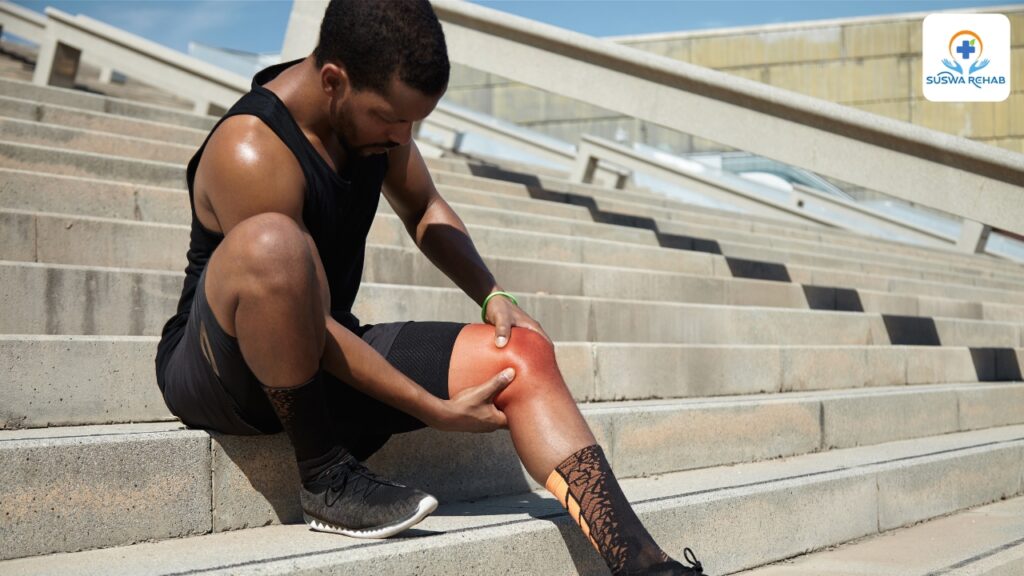
Injury-related sports injuries occur frequently in athletes regardless of their commitment to the sport as a professional, a player, or recreationally. Injuries such as sprains, muscular strains, ligament tears and joint injuries, can all negatively impact athletic performance and delay a safe return to sport. Physical Therapy is vital in the rehabilitation of sport injuries as it promotes safe recovery, regains mobility and enhances prevention of re-injury.
The intention of the following blog is to define ways physical therapy has helped athletes heal from sport injuries, specific physical therapy techniques and the long-term benefits of physical therapy and its effect on athletic performance.
Understanding Sports Injuries
Sports injuries commonly happen as the result of overuse, poor training practices, being hit suddenly substantial force, or not warming up and stretching properly. Some common sports injuries include the following:
Sprains and Strains – A sprain is a ligament injury, and a strain is a muscle injury, both of which occur due to overstretching.
Tendonitis – Inflammation of the tendon due to repetitive movement.
ACL and Meniscus Tears – ACL and meniscus tears are common knee injuries incurred during high-impact sports.
Fractures and Dislocations – Fractures and dislocations are injuries involving the bones caused by falling or being hit by another player.
Shin Splints – Pain in the lower leg due to overuse.
Rotator Cuff Injuries – An injury to the shoulder that can occur when swimming, playing tennis, or baseball.
Role of Physiotherapy in Sports Injury Rehabilitation
Accurate Diagnosis and Assessment:
The physiotherapist used a thorough evaluation to assess the extent/seriousness of the injury, joint range of motion, muscle strength, and levels of pain. This assessment presents possibilities to provide an individualized treatment plan that enables the athlete to return quicker.
Pain Management:
Therapeutic strategies including ultrasound therapy, TENS, thermotherapy (hot and cold), and manual therapy are used to reduce swelling, inflammation, and pain.
Restoring Mobility and Strength:
The physiotherapy exercises focusing on aspects of flexibility, joint range of motion and muscle strength can assist the athlete in regaining normal physical function.
Sports-Specific Rehabilitation Exercises:
Sports-specific rehabilitation exercises will mirror the actions being considered in the sport. This way the physiotherapist can ensure the athlete is ready to return to their sport while remaining at low risk for re-injury.
Injury Prevention Strategies:
The physiotherapist can educate athletes on proper movement patterns, warm-up progressions, strength training and load management to assist in the prevention of future injuries.
Physiotherapy Techniques for Sports Injuries
Manual Therapy – Such as soft tissue massage and joint mobilization.
Therapeutic Exercises – This includes stretching, strengthening, and balance training.
Electrotherapy – TENS and ultrasound, electrical stimulation for pain relief and healing.
Taping and Bracing – For support of injured area and to prevent strain.
Hydrotherapy – A water-based exercise for low-impact rehabilitation.
Neuromuscular Training – To improve coordination and optimizes movement patterns.
Benefits of Physiotherapy for Athletes
Quick and safe recovery from injuries.
Lower likelihood of developing chronic pain or being re-injured.
Better flexibility, balance, and posture.
Performance enhancement via conditioning and injury prevention programs.
Higher levels of confidence in returning to your sport.
Returning to Sport After Injury
An important issue for athletes is identifying when it is safe to return to sport. As physiotherapists, we use functional assessments to establish readiness, which may include gauging agility, strength, and endurance. A gradual return-to-sport program ensures that athletes do not suffer setbacks, and actually return stronger overall.
Final Thoughts
Rehabilitation of sports injuries goes beyond managing pain: the goal is to regain strength, movement, and confidence as athletes return to their best performance. Physiotherapy is a vital component of rehabilitation: every athlete will have a unique journey and physiotherapy will provide personalized care and evidence-based rehab approaches.
If you are an athlete recovering from an injury, physiotherapy will improve recovery outcomes by promoting healing, reduce potential complications, and allow you to return safely to sport with a reduced chance of re-injury.
I tried Bz999game but wasn’t too impressed by this website. Maybe their games are more compelling than I give them credit for. See what you think at: bz999game.